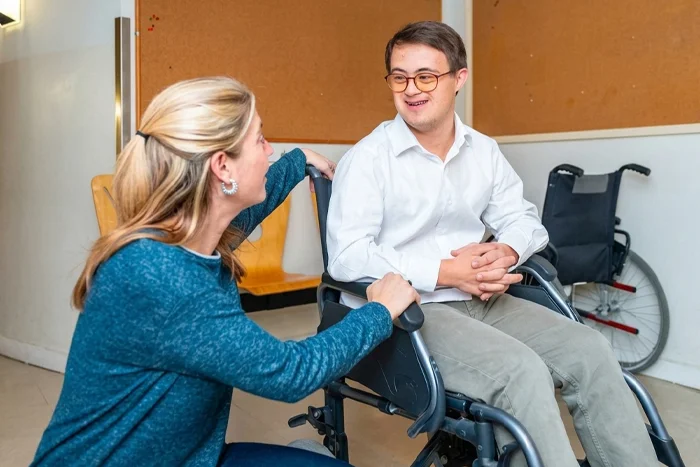
Specialist Disability Accommodation, often called SDA, has gained attention across Australia over the last few years. Many investors see it as a strong opportunity because of government support, long lease periods, and the growing demand for disability housing. While SDA can create meaningful social impact and long term returns, it is not a simple property investment.
SDA housing works very differently from a standard residential property. Investors need to understand participant needs, strict design rules, location demands, funding structures, and ongoing responsibilities. A rushed decision can lead to empty properties, financial stress, and homes that fail to support the people who need them most.
Before entering the SDA market, investors should understand why this type of housing requires careful planning and realistic expectations.
Understanding What SDA Really Means
SDA is part of the National Disability Insurance Scheme, known as the NDIS. It provides funding for eligible participants who need specialised housing because of extreme functional impairment or very high support needs.
Only a small percentage of NDIS participants qualify for SDA funding. According to the NDIS, about 6 percent of participants receive SDA support. This makes SDA a highly specialised housing category rather than a broad property market.
SDA homes must meet strict design standards. These homes may include features such as wheelchair accessibility, assistive technology, ceiling hoists, wider hallways, reinforced walls, and improved safety systems. The aim is to help participants live more independently while receiving the support they need.
Because of these requirements, SDA housing costs more to build than traditional residential homes. Investors must understand these additional costs before starting a project.
Also Read – Positive Impacts of NDIS Supported Independent Living (SIL)
SDA Is Not a Guaranteed Income Stream
One of the biggest misunderstandings in the SDA market is the idea that returns are automatic. Some marketing campaigns present SDA as a low risk investment with very high rental yields. This can create unrealistic expectations.
In reality, SDA success depends on several factors. A property must suit participant needs, meet compliance rules, stay in the right location, and attract long term tenants. If any of these factors fail, the property may remain vacant for long periods.
Vacancy is one of the biggest financial risks in SDA investment. A vacant SDA property can become expensive very quickly because mortgage payments, maintenance costs, insurance, and management fees continue even when no participant lives there.
Investors should study demand carefully before building. They need to understand which dwelling types participants actually need in a specific area. Building a property without local demand can create long vacancy periods.
Location Matters More Than Many Investors Realise
In traditional property investment, people often focus on capital growth. In SDA housing, participant suitability matters just as much.
Participants need access to hospitals, transport, therapy providers, support workers, family networks, and community services. A property in the wrong location may struggle to attract tenants even if the home itself looks impressive.
For example, a large SDA property built far from essential services may not suit participants who rely on regular medical appointments or support coordination. Convenience and accessibility strongly influence housing decisions.
Local supply also matters. Some regions already have enough SDA housing for certain participant categories, while other regions face shortages. Investors should review market demand reports and speak with experienced SDA providers before making decisions.
Also Read – Understanding Hidden Disabilities: What They Are and Why Awareness Matters
Design Compliance Is Essential
SDA properties must follow strict design standards under the SDA Design Standard. These standards cover accessibility, safety, livability, and participant independence.
There are several SDA design categories, including Improved Liveability, Fully Accessible, High Physical Support, and Robust housing. Each category serves different participant needs.
A property that fails to meet compliance requirements may not qualify for SDA funding. This can create major financial problems for investors.
Experienced builders, SDA consultants, occupational therapists, and certifiers often play important roles during the planning stage. Skipping professional guidance to reduce costs can lead to expensive mistakes later.
Good SDA design should not only satisfy technical standards. It should also create a comfortable and dignified living environment for participants.
Participant Outcomes Should Come First
SDA housing is not only about financial returns. These homes directly affect the quality of life of people with disability.
Poorly designed housing can limit independence and reduce comfort for participants. On the other hand, well planned SDA homes can improve safety, social connection, confidence, and daily living outcomes.
Responsible investors understand this balance. They recognise that participant wellbeing should remain at the centre of every decision.
When investors focus only on profit, they may overlook important factors such as accessibility, privacy, shared living compatibility, or support worker access. This can create homes that fail to meet participant expectations.
The most successful SDA projects usually combine strong commercial planning with genuine understanding of participant needs.
Also Read – What Disability Support Services Are Available in Australia?
SDA Requires Long Term Commitment
SDA investment is not a short term strategy. These properties often require higher upfront costs, detailed planning, and ongoing management.
Unlike standard residential properties, SDA homes may involve working with support providers, participant coordinators, allied health professionals, and specialist property managers. Investors need patience and a long term mindset.
Changes in participant needs can also affect occupancy over time. An SDA property may need adjustments, upgrades, or different management approaches as circumstances change.
Government policy can also influence the SDA sector. While the NDIS continues to support SDA housing, investors should understand that funding structures and regulations may evolve over time.
This is why careful financial planning matters. Investors should avoid entering the SDA market based only on marketing promises or projected returns.
Professional Guidance Makes a Difference
Because SDA investment involves many moving parts, professional advice is extremely important.
Financial advisers, SDA consultants, builders, support coordinators, and experienced providers can help investors make informed decisions. Early guidance may reduce risks and improve long term outcomes.
Investors should ask practical questions before committing to a project. These questions may include:
- Is there genuine participant demand in this location?
- Which SDA design category is needed most?
- What are the ongoing maintenance costs?
- How long could vacancy periods last?
- Does the design support participant independence?
- Who will manage the property after completion?
Final Thoughts
SDA housing plays an important role in helping Australians with disability live more independently and comfortably.
It also offers opportunities for investors who approach the sector responsibly and with realistic expectations.
However, SDA is not an investment to enter lightly. It requires research, planning, compliance knowledge, financial preparation, and genuine commitment to participant wellbeing.
Investors who take shortcuts or focus only on high returns may face serious challenges. Those who invest carefully, understand participant needs, and work with experienced professionals are more likely to create sustainable outcomes for both residents and their investment goals.
At Matrix Healthcare, we believe quality SDA housing should always put participants first. We work closely with individuals, families, and support networks to help create safe, accessible, and supportive living environments that improve independence and everyday wellbeing. Our team understands the importance of thoughtful housing solutions, and we remain committed to supporting better outcomes for people living with disability across Australia.