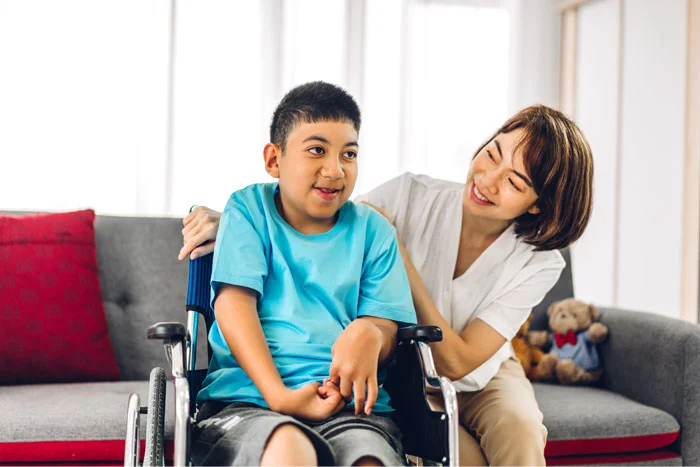
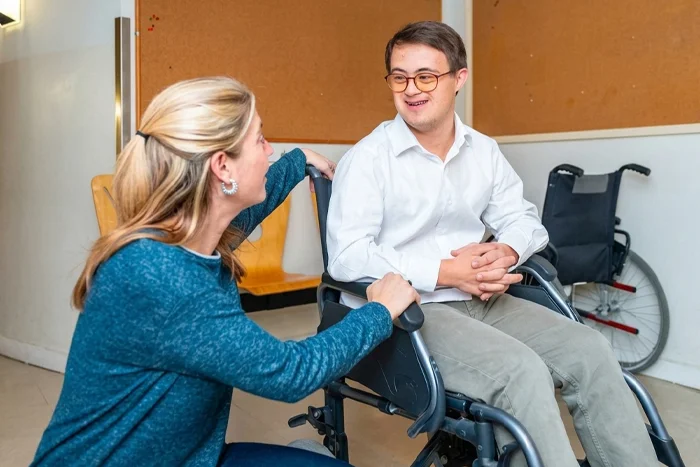
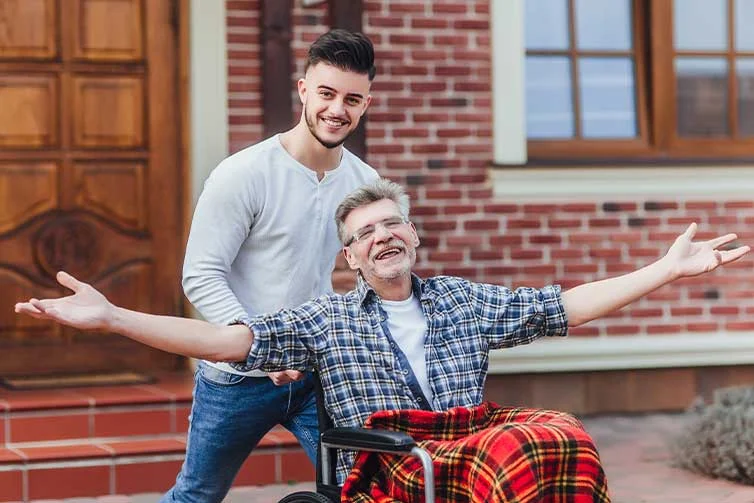
When people hear the word disability, they often imagine something visible straight away. A wheelchair, a physical impairment or something obvious.But many disabilities do not work like that.
Some people live with conditions no one notices at first. They may look completely well while dealing with pain, fatigue, sensory overwhelm, learning difficulties, or mental health challenges that affect everyday life.That is often where misunderstanding begins.
Because others cannot see the struggle, they may assume it does not exist. People can be doubted, dismissed, or expected to manage without support. Awareness matters because it pushes back against those assumptions.
What Hidden Disabilities Can Include?
A hidden disability may be physical, neurological, cognitive, sensory, or related to mental health. What makes it hidden is not that it affects someone less. It simply may not be immediately visible.
This can include autism, ADHD, dyslexia, epilepsy, diabetes, hearing loss, chronic pain, fibromyalgia, chronic fatigue syndrome, anxiety, depression, and traumatic brain injury.
Some people are born with these conditions. Others develop them later through illness or injury and experiences can vary a lot.
Two people with the same diagnosis may need very different support. One person may struggle with communication and another may manage fatigue or sensory overload every day.
That difference matters.
Also Read – NDIS Housing: Why SDA Should Be Planned Carefully
Why People Misunderstand Hidden Disabilities?
Part of the problem comes from old assumptions about what disability looks like. Many people still connect disability only with visible signs. If they cannot see a challenge, they may not recognise one exists.
That is why people with hidden disabilities often hear things like you do not look disabled or you seem fine. Those comments may sound casual, but they can be deeply invalidating.
Symptoms can also change. Some days may feel manageable other days may not. From the outside, those changes often go unseen. Because of this, some people stop asking for help altogether. They worry they will have to justify every support need.
Common Challenges People Face
Stigma remains a big challenge. Misunderstanding can lead to judgement or a lack of empathy and sometimes it leads to outright discrimination.
Support can also be harder to access. At school, at work, or in public spaces, people may struggle to receive reasonable adjustments because others do not recognise their disability.
There is also the emotional burden of constantly explaining yourself. Research from the Hidden Disabilities Sunflower initiative suggests around 1 in 6 people worldwide live with a disability, and many are non-visible. That alone shows these experiences are not rare.
Also Read – Positive Impacts of NDIS Supported Independent Living (SIL)
Examples of Hidden Disabilities
Autism and ADHD can affect focus, sensory processing, communication, and emotional regulation. These challenges may not be obvious, though they can shape daily life.
Dyslexia and other learning disabilities can affect reading, writing, organisation, and memory. That can affect both education and confidence.
Mental health conditions such as anxiety, depression, and post-traumatic stress disorder can also affect concentration, relationships, and everyday functioning.
People living with Crohn’s disease, fibromyalgia, or chronic fatigue may deal with pain or exhaustion others never see.
Some people also live with hearing loss or sensory differences that are easy to overlook but still require adjustments.
Why Awareness Matters
Awareness starts with recognising something simple. Disability is not always visible and that understanding changes how people respond. It can lead to more patience in public spaces, better support in workplaces and more inclusive classrooms.
It can reduce stigma too, because when hidden disabilities are openly discussed, people may feel safer sharing what they need.
Awareness can also improve access. Employers, educators, and service providers who understand non-visible disabilities are often more willing to make reasonable adjustments.
Also Read – SDA Explained: Why It Is More Than Just a Home and Why Accessibility Matters
Hidden Disabilities and the NDIS
The National Disability Insurance Scheme can support eligible Australians living with permanent and significant disabilities, including some hidden disabilities.
Support may include therapies, assistive technology, support coordination, and support for social or community participation.
For many people, that support can improve independence and quality of life. In disability services, understanding hidden disabilities matters because support needs may not be obvious.
Good support does not begin with assumptions, but it begins with listening.
How We Can Support Awareness
- Listen when someone explains their needs.
- Avoid judging disability by appearance.
- Use respectful language.
- Ask how you can help rather than assuming.
- Support inclusive practices in schools, workplaces, and communities.
- Learn about conditions you may not understand.
Building More Inclusive Communities
Inclusive communities do not ask people to prove they are struggling. They focus on removing barriers, and that shift can make a real difference.
When people feel understood and supported, they can participate more fully in education, employment, and community life.
Awareness is not only about recognising hidden disabilities.
It is also about creating environments where people can access support without constantly defending their needs.
Conclusion
Hidden disabilities may not always be visible, but their impact is real. Greater awareness can reduce stigma, improve access to support, and help build communities where people feel respected and understood.
At Matrix Healthcare, we believe support starts by seeing the person, not just the diagnosis. We work closely with participants and families to provide personalised support built around dignity, independence, and inclusion. We are proud to support people living with hidden disabilities and help them access the care and understanding they deserve.