Specialist Disability Accommodation (SDA) homes provide individuals with high support needs a comfortable, safe, and accessible environment. These homes improve residents’ quality of life by helping them live more independently while they receive the support they need. The National Disability Insurance Scheme (NDIS) sets guidelines to ensure that these homes meet the unique needs of participants. This article explains the key features that make SDA homes ideal for individuals living with disability and how these features create a better living experience.
Key Features of an SDA Home
1. Accessibility and Mobility Features
SDA homes are made with accessibility in mind. They have wide doorways, ramps, roll-in showers, and accessible bathrooms, which let people with mobility challenges move around freely. Non-slip floors, handrails, and low-level switches also make it easier to get around and do daily tasks on your own.
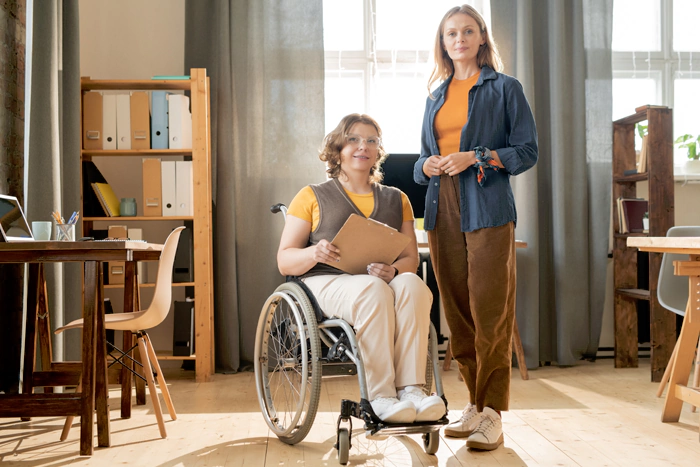
The layout is all about open space, especially for those who use wheelchairs or mobility aids. It’s designed to make moving around simple and safe, helping people live independently and feel confident in their space.
Also Read – Comparing Registered vs. Unregistered NDIS Providers
2. Supportive Technology and Smart Home Features
SDA homes use technology to make life easier. Many homes have smart systems that help with daily tasks, like lighting, temperature control, and security. You can control things like locks, motion sensors, and appliances with your phone or voice commands.
There are also sensors that track movement and detect falls. These smart devices can alert someone quickly in case of an emergency, making it easier to stay safe. Plus, voice-activated assistants help with things like adjusting lighting or opening windows, reducing the need to move around too much.
3. Adaptable Spaces for Personal Needs
Flexibility is a big deal in SDA homes. They come with things like adjustable countertops, movable furniture, and walls that can be shifted to create more space. If you use a wheelchair, you might need more space around your bed or bathroom, and these homes let you make those changes.
They also let you create areas for medical equipment, like hospital beds or oxygen tanks. The idea is that these homes adapt over time, so they’ll always work for you, no matter what your needs are.
Also Read – NDIS STA & Respite: What You Need to Know
4. Privacy and Personal Space
Privacy matters in SDA homes. Everyone gets their own private bedroom, which has plenty of space for personal things. You can enjoy your own space, but still have access to shared areas like the kitchen or living room.
They also have soundproofing to help keep things quiet. It’s all about making sure you feel comfortable and have the freedom to do your own thing in a peaceful environment.
5. Safety and Emergency Features
Safety comes first in SDA homes. They’re equipped with fire alarms, smoke detectors, and emergency exits, so you’re protected if anything goes wrong. There are also safety rails and non-slip floors in bathrooms and hallways to prevent falls, which are common for people with mobility issues.
Backup power systems keep medical equipment running during power outages, which is a big deal for ventilators and oxygen concentrators. It’s all about providing extra safety and reliability.
Also Read – What to Expect When Moving Into NDIS Accommodation
6. Outdoor Access and Community Integration
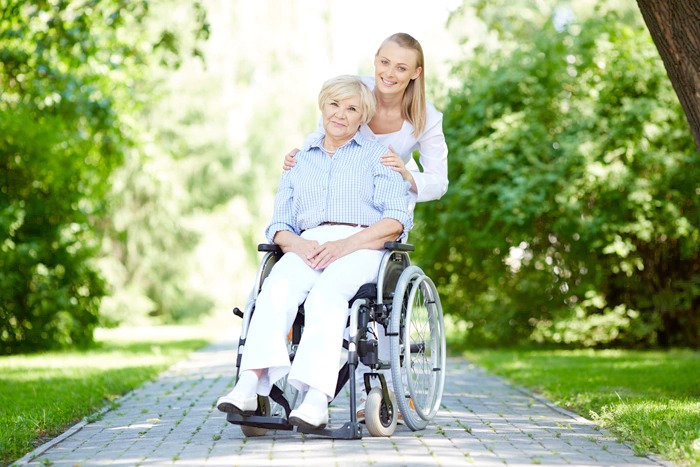
Being able to go outside is a big part of SDA homes. Many have accessible gardens or patios, giving people the chance to enjoy the fresh air and connect with nature. Accessible pathways make it easy for people with mobility aids to move around, so they can stay active and boost their mental health.
SDA homes are often close to public transport, shops, and community centers, so it’s easier to stay connected. Being near social services and recreation areas helps you interact with the community, which can improve your overall well-being.
7. Tailored Support Services
On-site support services are available in many SDA homes, so residents can get the help they need without leaving home. This includes personal care, like bathing and dressing, as well as medical assistance for ongoing health needs. It reduces the need to go to the hospital, making it easier to live independently.
Some homes also provide physiotherapy, occupational therapy, and rehabilitation services to help improve mobility and health. These services make sure residents are well taken care of, all within the safety of their own home.
Also Read – SIL in a Regular Home – Is It Good for You?
Conclusion
SDA homes aim to help individuals with high support needs live comfortably and independently. Their top features, such as accessibility, smart technology, adaptable spaces, privacy, safety, and tailored support services, create an environment that promotes independence and well-being.
As the demand for SDA homes grows, Matrix Healthcare continues to deliver high-quality and fully equipped living spaces. The company focuses on innovation and sustainable design to ensure that people with disabilities enjoy a better quality of life supported by modern technology and advanced care solutions.