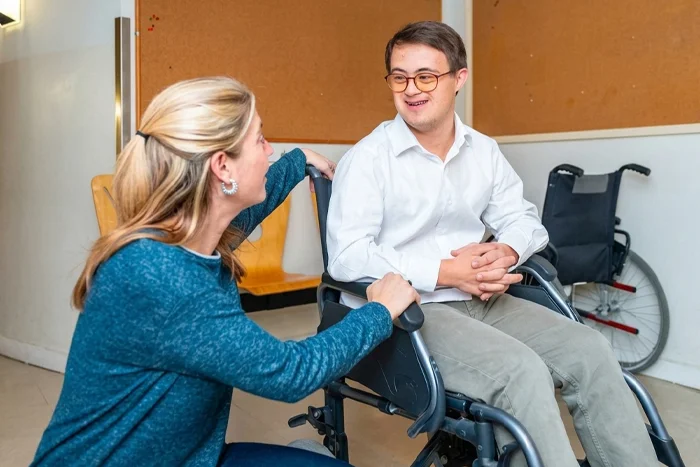
For people living with a disability, the journey to achieve independence can look a little different. But the desire behind it is often exactly the same: having choices, feeling comfortable at home, and being able to live life on your own terms.
That’s where Supported Independent Living, better known as SIL, enters the conversation. It offers exceptional care for participants, elevating their routines and overall wellbeing. And Ballarat has become one of Victoria’s more appealing locations for people looking for such high-quality disability support and a genuine sense of community.
But let’s not stop just there. Let’s dig into it a little bit more.
Understanding Supported Independent Living
Let’s clear something up first because SIL in Ballarat is often misunderstood.
Some people assume it’s a housing program, while others think it’s simply disability support delivered in a house. The reality sits somewhere in the middle.
Supported Independent Living is an NDIS-funded support designed to help people with disabilities manage everyday life while developing greater independence along the way. The emphasis isn’t just on receiving assistance; it’s on building skills, confidence, and routines that allow people to take more control over their daily lives.
Also Read – Revolutionising Disability Accommodation: Deep Dive into SDA in Ballarat
What does that actually look like?
The picture of SIL varies depending on one’s specifics. Support is tailored around the individual rather than forcing the individual to fit neatly into a pre-designed model.
One person might need help preparing meals and organising household tasks. Another may require assistance with personal care, medication management, shopping, or getting ready for appointments. Someone else might be working on building social skills, learning how to budget, or becoming more confident using public transport.
There’s no cookie-cutter version of SIL. That’s probably one of its greatest strengths.
Why Ballarat Continues to Attract Attention
Ballarat offers a blend that’s surprisingly hard to find elsewhere.
On one hand, you’ve got modern infrastructure, healthcare providers, educational institutions, public transport options, and a steadily growing disability support sector. On the other hand, there’s still a strong sense of local connection.
- People tend to know their neighbours.
- Community events actually attract crowds.
- Local sporting clubs remain a big deal.
It’s the sort of place where independence doesn’t necessarily mean isolation. And that distinction matters.
Also Read – NDIS Updates: What You Should Know and Its Importance
What Makes SIL Valuable?
Ask five participants what they appreciate most about Supported Independent Living and you’ll probably hear five different answers. Some people talk about confidence, while others mention routine. A few simply say peace of mind.
Truth be told, SIL isn’t really about support workers or accommodation models or funding categories. Those things matter, obviously, but they’re only tools rather than outcomes. The real value often lies in what becomes possible because support exists.
Maybe someone learns to prepare their own meals consistently for the first time. Perhaps they become confident enough to travel independently. Maybe they develop friendships that wouldn’t have happened otherwise. Sometimes, the victories are huge and sometimes wonderfully ordinary.
Over time, many participants find themselves developing practical life skills that create a ripple effect across other areas of life. Confidence grows, decision-making improves, and independence feels less intimidating and more achievable.
Services Offered Through SIL
Supported Independent Living is more than just about having someone around to lend a hand. It’s much broader than that. In many ways, SIL creates the foundation that allows you to access a whole range of supports that make everyday life smoother.
Take personal care, for instance. Some people need help getting ready in the morning, managing their hygiene, or dressing for the day ahead. Others might be fairly independent in those areas but appreciate help preparing nutritious meals. So, that’s taken care of by your SIL support system.
Beyond the practical bits, SIL often includes support for developing everyday life skills.
- Learning to cook a favourite meal without relying on takeaway.
- Creating a weekly budget that actually sticks (easier said than done sometimes).
- Organising appointments, remembering medications, or figuring out how to catch public transport with confidence.
These aren’t flashy achievements, but the sort of skills that quietly build independence over time.
Then, there’s another side to it—community participation.
Living independently shouldn’t mean spending all your time indoors. Many SIL participants get encouragement and support to join local activities, attend classes, volunteer, play sport, or simply catch up with friends. Those experiences help build confidence, create social connections, and add a bit of colour to everyday life.
Depending on your goals, you may also access allied health services alongside SIL, such as occupational therapy, physiotherapy, or behavioural supports. While these services are generally funded separately through an NDIS plan, SIL staff can still help in small ways, such as putting therapy recommendations into practice at home.
Lastly, the biggest benefit isn’t any single service at all. It’s how everything works together.
When daily support, skill development, health services, and community participation all line up, participants have a far better chance of living the kind of life they choose.
Also Read – NDIS Housing: Why SDA Should Be Planned Carefully
The Conclusion
At the end of the day, Supported Independent Living is about people, their routines, and their goals. After all, home shouldn’t just be where you live. It should be a place where you can grow, feel comfortable in your own skin, and get on with life the way you want to. That’s really what SIL is all about.
If you need more information on SIL in Ballarat, you can connect with Matrix Healthcare at your convenience. We will find the right support for your specific needs.